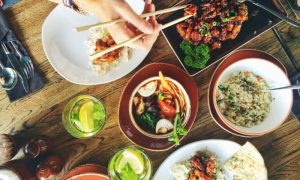
Embark on a delicious adventure with Top Food Tours Around the World, exploring the diverse culinary landscapes and cultural experiences that await travelers globally.
From tantalizing street food in bustling markets to gourmet dining in Michelin-starred restaurants, these food tours offer a unique insight into the heart and soul of a destination through its flavors.
Top Food Tours Around the World

Food tours have become increasingly popular among travelers seeking an authentic culinary experience that goes beyond traditional dining. These tours offer a unique opportunity to explore a destination through its food, allowing visitors to taste local specialties, interact with chefs and food vendors, and learn about the cultural significance of different dishes. Here are some of the top food tours worldwide:
Tour 1: Tokyo, Japan
- Explore the bustling Tsukiji Fish Market and try fresh sushi
- Visit hidden izakayas for local street food like yakitori and tempura
- Learn to make traditional Japanese dishes like ramen and okonomiyaki
Tour 2: Barcelona, Spain
- Sample authentic tapas at local markets and family-run restaurants
- Discover the rich history of Catalan cuisine through a guided food tour
- Enjoy wine tastings and learn about the art of pairing food and wine
Tour 3: New York City, USA
- Indulge in diverse food offerings from around the world in neighborhoods like Chinatown and Little Italy
- Experience the melting pot of flavors in the city that never sleeps
- Learn about the history of immigrant communities and their culinary influences
Tour 4: Paris, France
- Savor French pastries like croissants and macarons in local patisseries
- Explore vibrant food markets like Marché des Enfants Rouges and Rue Mouffetard
- Discover the secrets of French cuisine through cooking classes and tastings
Tour 5: Bangkok, Thailand
- Sample spicy street food like pad thai and som tam in bustling markets
- Experience the vibrant flavors of Thai cuisine through local dishes and snacks
- Learn about the use of fresh herbs and spices in traditional Thai cooking
Food tours not only offer a memorable culinary experience but also have a positive impact on local economies and communities. By supporting small businesses, local farmers, and food artisans, these tours contribute to sustainable tourism and help preserve culinary traditions for future generations.
Cultural Tourism
Cultural tourism involves traveling to experience the culture, heritage, arts, and lifestyle of a destination. It plays a crucial role in promoting cross-cultural understanding and appreciation, as it allows travelers to immerse themselves in the local traditions and practices of a community.
How Food Tours Contribute to Cultural Tourism
Food tours offer a unique way for tourists to engage with the local culture through culinary experiences. By exploring traditional dishes, visiting local markets, and meeting with food artisans, participants can gain insight into the history, customs, and values of a region. This hands-on approach fosters a deeper appreciation for the cultural significance of food and helps break down barriers between different societies.
Preservation of Traditional Culinary Practices
Food tours play a vital role in preserving traditional culinary practices by showcasing authentic recipes, ingredients, and cooking methods that have been passed down through generations. By supporting local food producers and establishments, these tours help sustain traditional food systems and prevent the loss of culinary heritage.
Role of Local Guides in Enhancing Cultural Tourism Experiences
Local guides play a crucial role in enhancing cultural tourism experiences during food tours. Their knowledge of the region’s history, food traditions, and customs adds a layer of authenticity to the tour. Guides can provide valuable insights, stories, and context that help participants connect with the local culture on a deeper level. Their presence ensures that visitors have a meaningful and enriching experience that goes beyond just tasting different dishes.
Eco-Tourism
Food tours can play a significant role in promoting eco-tourism by focusing on sustainable practices that minimize negative impacts on the environment. These tours can align with eco-tourism principles by supporting local farmers and producers, reducing food waste, and promoting organic and locally sourced ingredients.
Examples of Eco-Friendly Food Tours
- Green Path Transfers in Costa Rica offers food tours that prioritize locally sourced ingredients and support small-scale farmers. They also promote eco-friendly transportation options to reduce carbon footprint.
- The Green Kitchen Tours in Amsterdam focus on sustainable dining experiences, showcasing restaurants that source ingredients locally and emphasize zero-waste practices.
Supporting Local Farmers and Producers
One of the key aspects of eco-friendly food tours is the emphasis on supporting local farmers and producers. By sourcing ingredients locally, these tours help reduce carbon emissions associated with transportation and support the local economy. This direct connection to food producers also ensures transparency in sourcing and promotes a deeper appreciation for local food culture.
Minimizing Negative Environmental Impact
While food tours can have a positive impact on local economies and cultural preservation, it’s essential to be mindful of their environmental footprint. To minimize negative effects, tour operators can focus on reducing food waste, promoting reusable or compostable packaging, and choosing restaurants that follow sustainable practices. Additionally, educating tourists about the importance of responsible consumption and supporting local communities can help mitigate the environmental impact of food tours.
Culinary Travel
Culinary travel involves exploring a destination through its food, focusing on the local cuisine, traditions, and culinary experiences.
Differentiation between Culinary Travel and Traditional Food Tourism
Traditional food tourism typically involves trying popular dishes at restaurants or markets, while culinary travel delves deeper into the culture and history behind the food, often including cooking classes, farm visits, and interactions with local chefs.
Connection between Culinary Travel and Authenticity in Food Experiences
Culinary travel emphasizes authentic food experiences by immersing travelers in the local food culture, allowing them to connect with the community, traditions, and ingredients that make up the cuisine.
Favorite Culinary Travel Destination
One of my favorite culinary travel destinations is Italy, specifically the region of Tuscany. The rolling hills, vineyards, and olive groves provide the perfect backdrop for experiencing authentic Italian cuisine. From handmade pasta to fresh seafood dishes, every meal tells a story of tradition and passion.
Role of Food Bloggers and Influencers in Promoting Culinary Travel Experiences
Food bloggers and influencers play a significant role in promoting culinary travel experiences by sharing their food adventures, recommendations, and reviews with a wide audience. Their engaging content inspires travelers to explore new culinary destinations and try unique food experiences.
Historical Travel
Exploring the historical significance of local cuisines can provide a unique perspective on a destination’s culture and heritage. When combined with culinary exploration, historical travel offers a rich tapestry of flavors and stories that showcase the evolution of traditional dishes over time.
Reviving Ancient Recipes and Cooking Techniques
Some food tours focus on reviving ancient recipes or cooking techniques that have been passed down through generations. By delving into the culinary practices of the past, participants can gain a deeper understanding of the cultural influences that have shaped modern cuisines.
- One example is a food tour in Italy that teaches participants how to make pasta using traditional methods that date back centuries. By learning these age-old techniques, participants not only get a hands-on cooking experience but also connect with the history of Italian gastronomy.
- In Peru, there are food tours that explore the ancient Incan culinary traditions, showcasing ingredients and cooking methods that have been preserved for generations. Participants can taste dishes that have been enjoyed by indigenous communities for centuries, providing a glimpse into the country’s rich culinary heritage.
Enhancing the Food Tour Experience through Historical Narratives
Understanding the historical context behind local dishes can greatly enhance the overall food tour experience. By learning about the origins of specific ingredients, recipes, and cooking styles, participants can develop a deeper appreciation for the flavors they encounter during their culinary journey.
- During a food tour in Morocco, guides often share stories about the historical influences that have shaped the country’s diverse cuisine, from Arab and Berber traditions to French and Spanish culinary legacies. By immersing themselves in these narratives, participants can savor each dish with a newfound understanding of its cultural significance.
- In Japan, food tours that delve into the country’s culinary history offer participants the opportunity to taste traditional dishes that have been enjoyed for centuries. By exploring the historical roots of Japanese cuisine, participants can experience the depth of flavors and techniques that have stood the test of time.
Luxury Travel
Luxury food tours offer a high-end, exclusive culinary experience for discerning travelers who seek the finest gastronomic delights paired with top-notch service. These tours cater to individuals who value luxury, sophistication, and exceptional quality in their travel experiences.
Characteristics of Luxury Food Tours
- Exclusive Access: Luxury food tours provide access to renowned chefs, private cooking classes, and behind-the-scenes culinary experiences that are not available to the general public.
- High-End Accommodations: Travelers on luxury food tours can expect to stay in luxurious hotels, resorts, or villas that offer top-tier amenities and personalized service.
- Gourmet Dining: These tours feature gourmet meals at Michelin-starred restaurants, private dining experiences, and curated tasting menus showcasing the best of local and international cuisine.
- Customization: Luxury food tours often allow for customization based on personal preferences, dietary restrictions, and special requests to ensure a tailored experience.
Exclusive Culinary Experiences
- Truffle Hunting in Italy: Luxury food tours in Italy may include truffle hunting excursions in the countryside followed by a private cooking class with a local chef.
- Caviar Tasting in Russia: Travelers can indulge in a caviar tasting experience in Russia, sampling different varieties of this luxurious delicacy paired with champagne.
- Private Chef Dinners: Some luxury food tours offer private chef dinners where guests can enjoy a personalized culinary experience in an intimate setting.
Regional Comparisons and Unique Selling Points
| Region | Unique Selling Points |
|---|---|
| France | Exclusive wine tastings at prestigious chateaux and private dining experiences at Michelin-starred restaurants. |
| Japan | Sushi-making classes with master chefs, visits to local markets, and traditional tea ceremonies. |
| Peru | Culinary tours exploring the diverse flavors of Peruvian cuisine, including ceviche tastings and Pisco cocktail workshops. |
Tips for Travelers
- Plan Ahead: Research luxury food tour operators and itineraries to find the perfect culinary experience that aligns with your preferences.
- Communicate Your Preferences: Inform the tour organizers of any dietary restrictions, allergies, or special requests to ensure a seamless and enjoyable experience.
- Pack Appropriately: Dress for upscale dining experiences and bring along any essentials you may need for your journey, such as comfortable footwear for walking tours.
Budget Travel
Traveling on a budget doesn’t mean missing out on amazing food tours around the world. With some strategic planning and research, you can still indulge in culinary delights without breaking the bank.
Affordability of Food Tours
When it comes to the affordability of food tours, it varies greatly depending on the country and region you are visiting. Some destinations may offer budget-friendly options while others might be more expensive. It’s important to do your research and find tours that fit your budget.
Recommendations for Budget-Friendly Food Tours
- Look for street food tours: Street food is not only delicious but also usually more affordable than dining at restaurants. Joining a street food tour can give you a taste of local cuisine without the high price tag.
- Opt for self-guided food tours: Instead of booking expensive guided tours, create your own food itinerary based on recommendations from locals or online resources. This way, you can explore at your own pace and save money.
- Visit local markets: Visiting local markets is a great way to experience the food culture of a destination without spending a lot of money. You can sample fresh produce, local snacks, and interact with vendors for a true taste of the region.
Balance between Cost-Effective Choices and Quality Experiences
When planning budget food tours, it’s essential to find a balance between cost-effective choices and quality experiences. Look for tours that offer a good value for money, focusing on local, authentic cuisine rather than tourist traps. By prioritizing unique culinary experiences over fancy restaurants, you can enjoy delicious meals without overspending.
Backpacking
Backpacking and food tours can be a perfect match for travelers looking to immerse themselves in local culture and cuisine while on a budget. Exploring the culinary scene of a destination through food tours can provide a deeper understanding of the place and its people.
Tips for Backpackers Engaging in Food Tours on a Budget
- Look for budget-friendly food tours that offer a variety of local dishes at a lower cost.
- Consider street food tours or market tours as they tend to be more affordable than fine dining experiences.
- Opt for group tours or join food tours during off-peak hours to take advantage of discounts or promotions.
- Research and compare different food tour options to find the best value for your money.
Benefits of Incorporating Food Tours into a Backpacking Itinerary
- Enhance your travel experience by gaining insight into the local culinary traditions and flavors.
- Connect with locals and other travelers over a shared love for food, creating memorable experiences.
- Discover hidden gems and off-the-beaten-path eateries that you may not find on your own.
- Expand your palate and try new dishes that you might not have considered tasting otherwise.
Recommendations for Backpacker-Friendly Food Tours in Popular Travel Destinations
- Barcelona, Spain: Join a tapas tour to sample a variety of traditional Spanish dishes.
- Bangkok, Thailand: Explore the vibrant street food scene with a guided food tour in Bangkok.
- Rome, Italy: Indulge in a pasta and gelato tour to savor the authentic flavors of Rome.
- Hanoi, Vietnam: Embark on a street food tour in Hanoi to taste pho, banh mi, and other local delicacies.
Solo Travel
Traveling solo can be a rewarding experience, especially when it comes to participating in food tours. Solo travelers have the freedom to explore culinary delights at their own pace, dive into local food cultures, and connect with other like-minded travelers along the way.
Advantages of Solo Travelers Participating in Food Tours
- Flexibility to choose your own itinerary without compromising on personal preferences.
- Opportunity to immerse yourself fully in the local food scene without distractions.
- Chance to meet new people and make lasting connections with fellow food enthusiasts.
- Enhanced cultural experience as you interact directly with locals and learn about their culinary traditions.
Personal Anecdotes of Solo Travelers on Food Tours
During my solo travel adventures, I’ve met incredible individuals from around the world while exploring the vibrant street food markets of Southeast Asia. We bonded over shared meals and exchanged stories, creating unforgettable memories that made my solo journey truly special.
Tips for Solo Travelers to Enhance Their Culinary Adventures
- Research local dishes and food tours in advance to make the most of your culinary exploration.
- Engage with tour guides and fellow travelers to gain insider tips on hidden food gems.
- Be open to trying new foods and flavors, stepping out of your comfort zone for a richer experience.
- Document your food journey through photos and journaling to cherish the memories later.
Social Aspect of Food Tours for Solo Travelers
Food tours provide a platform for solo travelers to connect with others who share a passion for gastronomy. From cooking classes to group tastings, these experiences foster camaraderie and create a sense of community among solo adventurers seeking meaningful interactions on the road.
Group Travel
Group travel on food tours offers a unique experience compared to solo travel. It allows for shared experiences, communal dining, and the opportunity to bond over culinary delights with like-minded individuals. Here, we will explore the benefits of joining group food tours and provide recommendations for group travelers looking to embark on their next gastronomic adventure.
Benefits of Group Food Tours
- Enhanced social interaction: Group tours provide opportunities to meet new people and make lasting connections while exploring the local food scene together.
- Cost-effective: Group tours often offer discounted rates for larger groups, making it a budget-friendly option for travelers.
- Guided expertise: Group tours are led by knowledgeable guides who can provide insights into the culinary traditions, history, and culture of the destination.
Group Food Tour Recommendations
- Small Group Tours: Companies like Eating Europe offer small group food tours in cities like Rome, Amsterdam, and Prague, providing an intimate and personalized culinary experience.
- Private Group Tours: For a more exclusive experience, companies like Culinary Backstreets offer private group tours tailored to the preferences of the group, allowing for a customized food adventure.
- Culinary Workshops: Group cooking classes and workshops, such as those offered by The Chef & The Dish, are perfect for groups looking to learn new culinary skills and enjoy a hands-on gastronomic experience.
Summary
Indulge your taste buds and feed your wanderlust with Top Food Tours Around the World, where each bite tells a story and every meal becomes a memorable journey to savor.
Clarifying Questions
Are food tours suitable for vegetarians or vegans?
Many food tour operators offer customized options for vegetarians and vegans, ensuring a delightful culinary experience for all dietary preferences.
Can children participate in food tours?
While some food tours may have age restrictions, there are family-friendly options available that cater to children, providing a fun and educational food experience for young travelers.
Do I need to tip the guides on food tours?
Tipping practices vary by region, but it is generally appreciated to tip your food tour guide as a gesture of gratitude for their service and expertise.